
Connecting with other entrepreneurs through events and sharing information that can help them achieve their business goals is one of my biggest passions. I’ve loved speaking at multiple lunch-and-learns over the years and was thrilled to add joining an amazing panel to my list of speaking engagements.
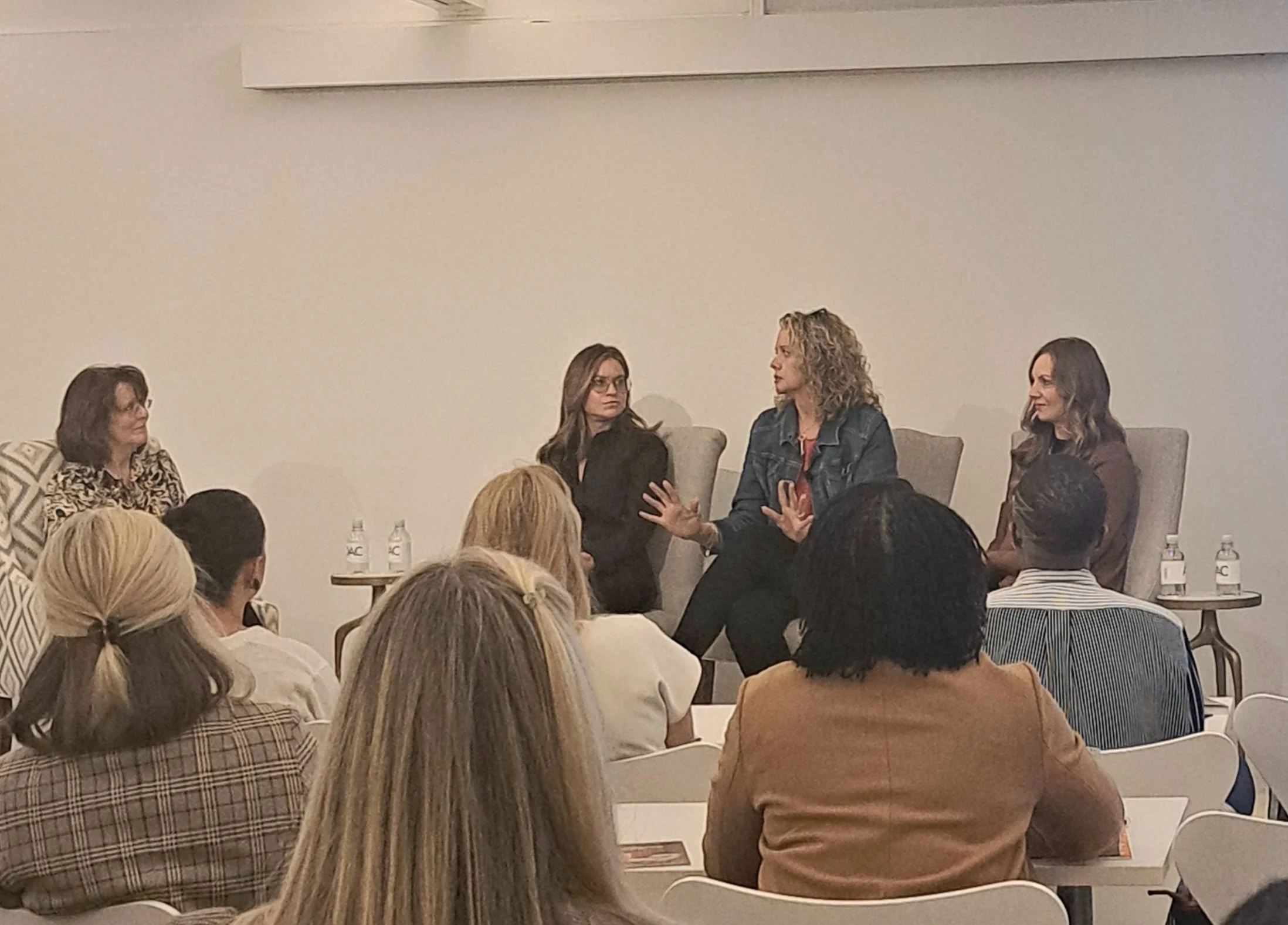
During the “Photo Styling for Editorial & How to Get Published Panel,” which was presented by me, Cristi Holcombe of Cristi Holcombe Interiors, Elissa Benzie of Elissa Benzie Style, and Fran Worrall, editor-in-chief of Georgia Design Magazine, during Discover ADAC, we covered so much ground on preparing for photo shoots and getting interior design projects published.
If you missed it or need to fill in gaps in your notes, don't worry; I’ve compiled the key takeaways here. You can also watch a recording of the panel on YouTube.
As an editorial interior photographer in Atlanta, I love capturing your hard work, and I want you to succeed beyond the shoot. Whether you’re aiming for a glossy magazine cover or a viral Instagram feature, here is the roadmap we discussed to take your project from "finished" to "featured."
The Rules Have Changed (And That’s Good News)
First, let’s address the elephant in the room: the publishing model has flipped.
Years ago, magazines hired the photographer, brought the stylist, and directed the shoot. Today, 90% of the time, designers are responsible for producing and funding their own shoots. While that sounds like more work (and budget) for you, the upside is massive.
You (and the photographer) own the images. You aren’t at the mercy of a magazine’s usage rights. You can use them for your website, social media, and newsletters immediately after the exclusive publication window lifts.
You keep creative control. No one is coming in and rearranging your carefully curated room to fit a specific editorial narrative that may not match your brand.
The Pre-Game Wins the Game
When you have a project photographed, you’re investing, and you have goals for that investment. The success of a shoot happens long before I click the shutter. Here is how the pros prep:
The Detailed Plan
Maximize time on the day of the shoot by having a specific list of photos you want taken. Consider angles and lighting as well. If possible, do an in-person or virtual walkthrough with your photographer beforehand, too, since what looks good to the eye doesn’t always translate to the lens.
The Day-Before Prep
Cristi shared that she likes to go to the site the day before the shoot with an assistant to remove clutter and set the stage. Bonus tip: Take phone photos of how the client had their shelves styled so you can put everything back exactly how you found it.
The Survival Kit
Cristi also swears by building "Shoot Day Toolkits" and bringing one to every project. Some of her recommendations for what they should include:
Fishing line and Command hooks
Scissors
Chargers
A steamer and vacuum
Props for if you’re going to do your own styling, for example: soaps, towels, and fillers for bowls
The Stylist Question
Styling is harder than it looks, and hiring a professional stylist can give your project that editorial polish. So, do you really need a stylist? While you don’t need a stylist, you do need styling for your photo shoot.
If a full-service stylist isn't in the budget, look for one who offers consulting, like Elissa. They can provide sketches, shopping lists, and a plan for you to execute. You can get stylist recommendations from me and other photographers who specialize in interior design, and of course from fellow designers.
Trend Watch: When styling florals, avoid tight, structured bouquets. Loose, free-form, large-scale arrangements are in now, says Elissa. Think big vessels and oversized branches—especially in large kitchens and other grand spaces.
Avoid the "Builder Split" Trap
I see this happen often: A designer and a builder want to split the cost of a shoot 50/50.
My advice? Don’t do it. It leads to conflicting photo shoot goals. The builder wants shots of the banister construction; you want the mood of the reading nook. It creates inefficiency and frustration.
The Solution: The designer should fund and direct the shoot. The builder can purchase usage licenses from the photographer afterward for the specific images they want.
Pitching Your Work: The Strategy
So, you have beautiful images. Now what? Here’s what Fran and the rest of our panel said makes the difference when pitching editors and trying to get published:
Know Your Audience
Don’t pitch blindly. A "light and bright" coastal home probably won't fit a magazine known for moody, dark aesthetics. Study the magazine’s past issues and media kit.
Remember That It’s Not All About the Photos
Yes, publications want to show off a beautiful space and inspire readers, but more than that, they want to tell the story behind the space. A project that has an interesting story that goes with it—be it about the homeowners or space itself—is much more likely to get published.
Follow The "Resource List" Rule
This is tedious but crucial: Keep a spreadsheet of every vendor used during the design process. Writers need detailed resource lists (pillows, paint colors, vases) to publish a story. If you don't have this, your project might get passed over.
Look Beyond the Big Names
We all love Architectural Digest and HGTV Magazine, but don’t forget about:
Local Community Magazines: These often have a higher ROI for getting actual local clients than national vanity features.
Newsletters and Digital Features: These are quicker to publish and great for SEO.
Awards Programs: If you need Atlanta interior design photography for awards (Georgia Design Awards, Modern Luxury Interiors awards, ASID awards), remember that winning often guarantees publication.
Make Connections
It’s so important to put yourself out there, network, and make connections with people. You never know who someone could put you in contact with. Professional organizations and entrepreneur groups are great resources. Talk to the professionals you hire, as well. Photographers, like myself, and stylists are often very well connected with editors and media members and can be hugely helpful in pitching your work and getting it published.
You should also try to connect with the editors of publications and platforms you want to be published in. Follow them on social media and stay up to date with what they’re doing.
A Note on Patience
Publishing timelines can be long—sometimes up to 18 months or more. But don't take silence from an editor as a permanent "no." They might love your project and are just waiting for the right issue or theme to fit it into.
You may also need to be patient with your goal of getting published in general. For new designers, it’s more important to prioritize having a solid online portfolio before focusing on getting published.
Ready to capture your next project?
Your work deserves to be seen in its best light. I specialize in natural light interior photography in Atlanta that captures the true essence of your design. If you’re nearing the end of a project and want to discuss angles, styling, or how to tell your client's story through the lens, let’s chat. Contact me here.
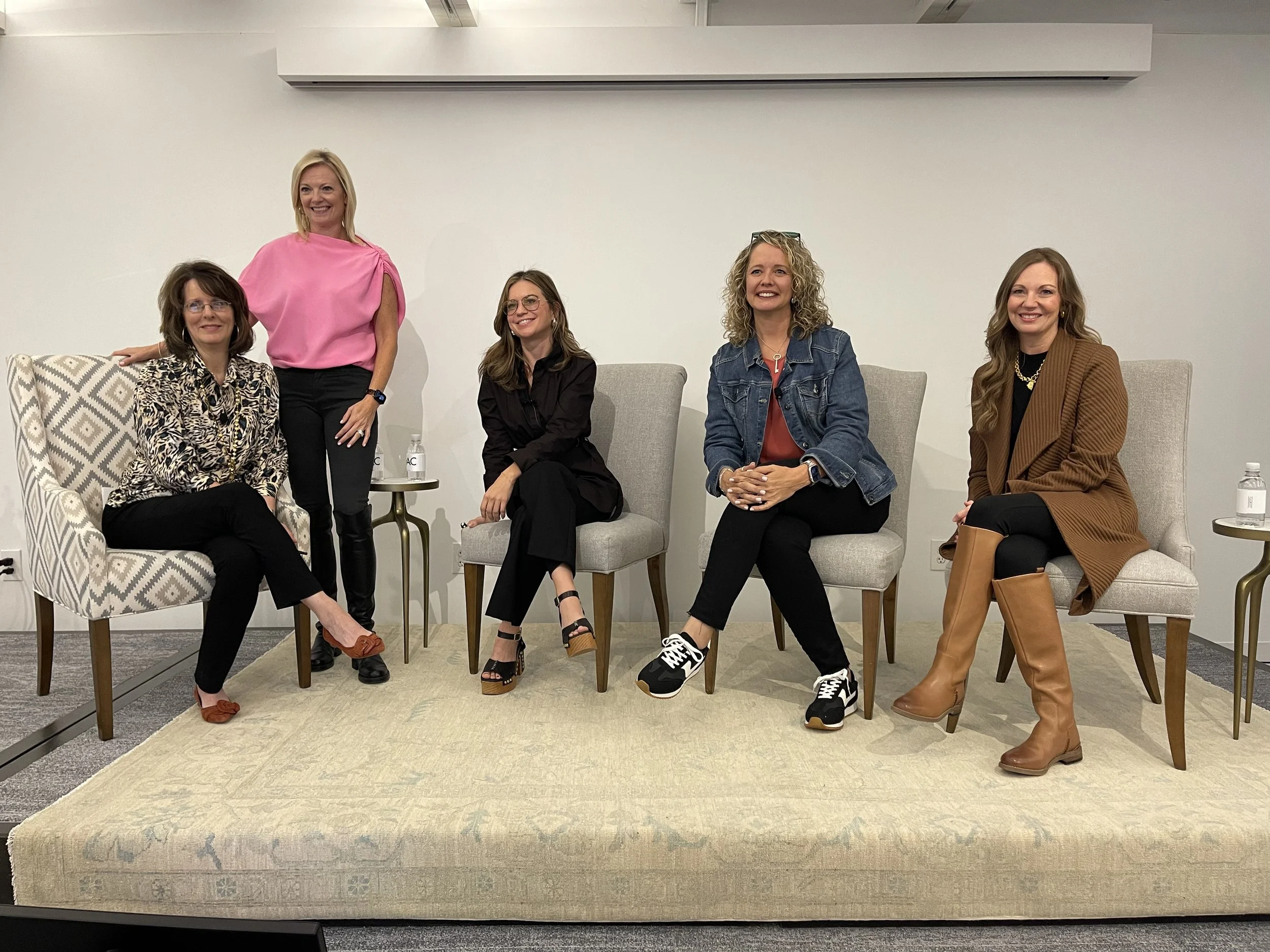
(L - R): Fran Worrall, editor-in-chief of Georgia Design Magazine; Katie Miner Hakes, general manager of ADAC; Elissa Benzie of Elissa Benzie Style; me; and Cristi Holcombe of Cristi Holcombe Interiors