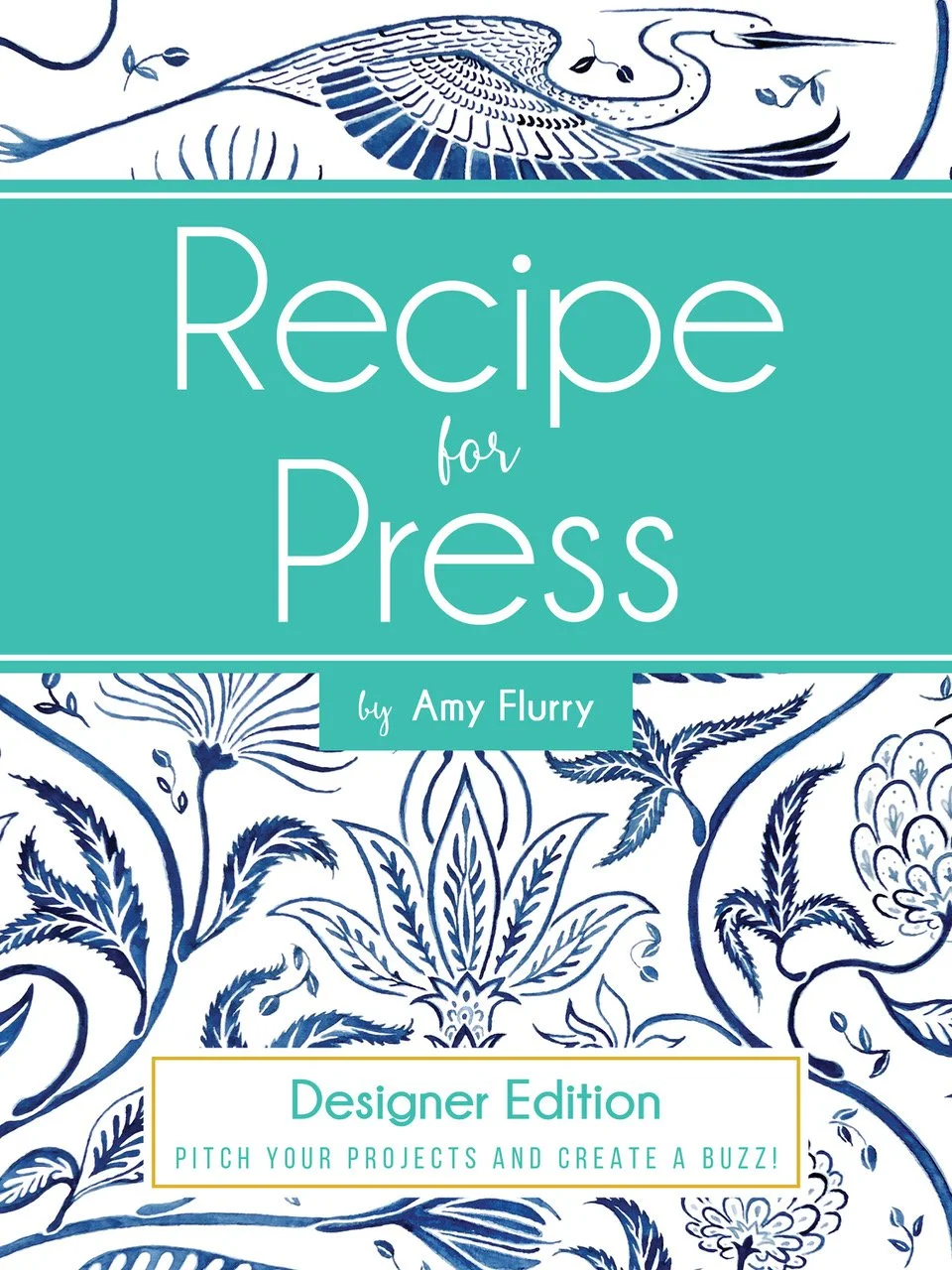
If you’re wondering why your stunning project photos aren’t landing magazine features or don’t have the funds to hire a PR firm and are puzzled by the process of pitching, this is the post for you. PR strategist and author of the renowned book on DIY PR for interior designers, Recipe for Press: Designer Edition, Amy Flurry shares realistic, actionable tips for getting your work the visibility it deserves.

Photography by Kristin Karch
What's interesting about Amy's story is that the Designer Edition wasn't always the plan. After the success of her original book Recipe for Press, she noticed it was interior designers who filled the seats at her speaking engagements. Soon after, she started advising design firms and created more tools specifically for the industry, helping countless designers since then. We’re thrilled to feature her on the CatMax Photography blog and have her share some of that wisdom right here.
A lot of interior designers invest in professional photography but still struggle to land press. Beyond having great images, what do editors actually need from a designer before they'll seriously consider a pitch?
Because there are so many factors involved in editorial decision-making—all discussed in my book Recipe for Press: Designer Edition—interior designers often hire professionals for this very reason. But there are so many I have advised over the years who get a start by learning the basics of pitching, of creating relationships with interior designers, especially those in their regional design community. They get a feel for the give and pull of press, of sharing their projects and of doing the work in advance (studying the publications they are looking to be a part of) before ever sharing the pictures and pitch they put together. And many are successful in landing press.
Many designers think their most dramatic or high-budget project is their best candidate for press. When is that actually not the case, and how should a designer evaluate which project has the strongest editorial story?
As a designer with a story to share in addition to projects, your challenge is to see that each completed project possesses multiple placement opportunities. That’s part of cracking the editorial code. Another tip is that any magazine, national or regional, has its own POV. They know their audience. They format their pages in their own unique way. Month after month, they are running similar types of projects or profiles. Study the issues, and you’ll recognize not only the type of projects they run but their ‘formula or format.’ So, the mistake I see designers make is thinking that their best project can only be a ‘house tour’ type of feature when, in fact, there could be a kitchen story, or a kid’s rooms story or, perhaps, an automation story.
How involved should a designer be in directing their photographer to ensure the images they walk away with are pitch-worthy? Are there specific shots or details that editors consistently wish they had but rarely get?
This is a huge question, but I’m going to suggest that if the intention and goal is to get press, hire a photographer whose name you see in the magazines you want to belong in. Start regionally. Notice the photographers’ bylines. These are mostly freelancers who shoot for designers, and they know what comprises an editorial shot and what may, for example, make a better mix for an editor. Another way of finding photographers who have an editorial mindset is to look at designers in your area or who you admire who are getting press. Look at their Instagram and notice the photographers they are tagging. That’s step one. Step two is knowing what you need as a design business. If your website needs refreshing, then a horizontal image of your best work may make more of an impact (and attract clients) and be better used there. The photographer would need to know that specifically in a shot list. Your job is to know what you need, to create and prioritize that shot list in advance.
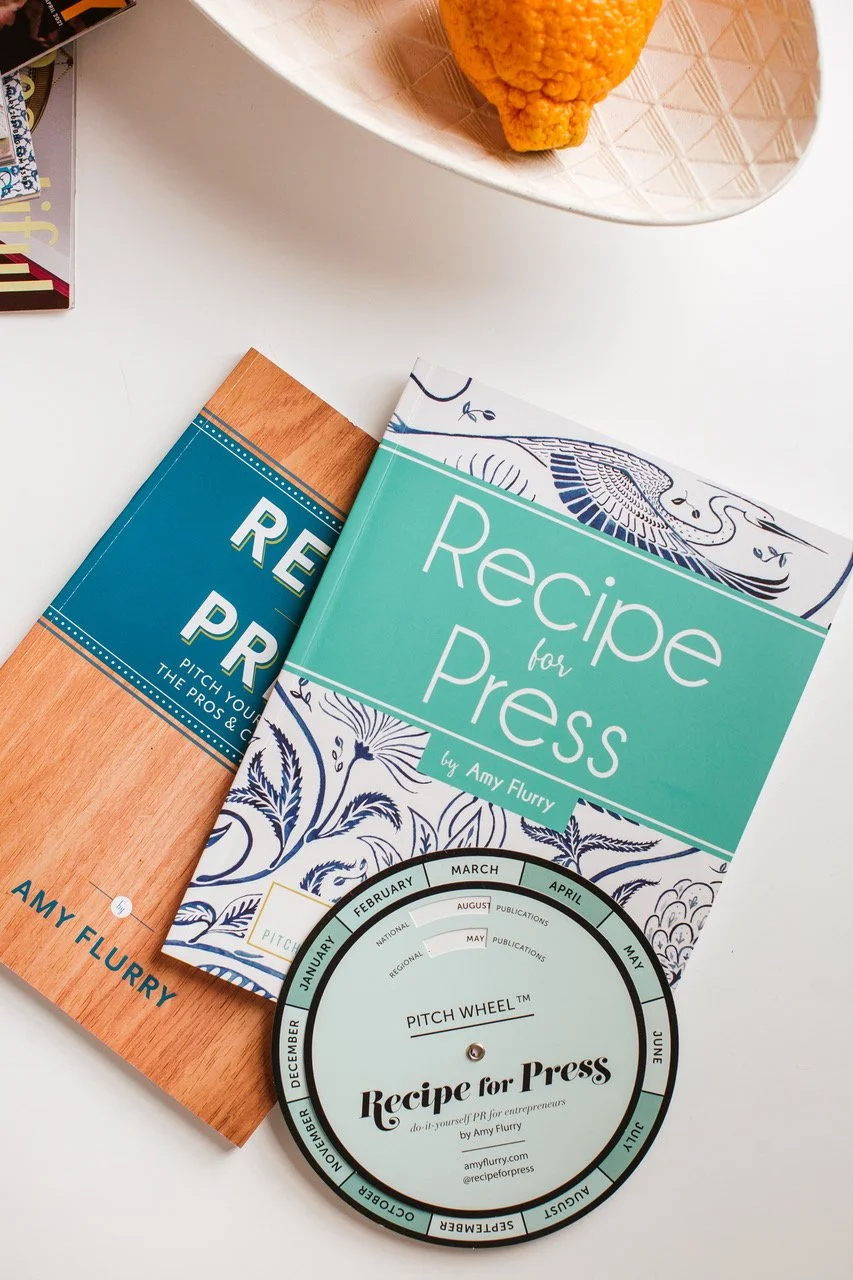
You created the Pitch Wheel to help designers know when to pitch. Can you walk us through what the media calendar actually looks like from an editor's perspective and why timing a pitch wrong can hurt even the best project?
The Pitch Wheel was created with helping users understand when to pitch, but more specifically, if you had a product. When you’re pitching projects, you shouldn’t let the stress of perfect timing put the freeze on pitching. Editors are always looking for good projects. But they are always planning issues 6 months to a year and a half in advance. So, if you have a project that is beachfront and more of a summer story, pitching it 7 to 8 months in advance suggests to editors that you understand the editorial calendar, that you are giving them the time they need to consider the story for the following season. Home editors often ‘store up’ projects and save them for monthly or quarterly meetings with their team. In general, you don’t want to be sharing projects in December when they are trying to close issues and get out the door. And summer is always slow for obvious reasons, so pitching in July and early August gets quiet. You’d do better to share a new project in early September.
Photography by Kristin Karch
Can you tell us a little about your other products and how they work with Recipe for Press: Designer Edition?
One of the products I am most proud of is our Media Directory. This was a direct response to readers asking, ‘How do I find the right editors to pitch and their contact info?’ We started organizing this over a decade ago, putting only relevant editors on our list, not the entire editorial staff. We also have a ‘notes’ section where we include submission guidelines or notes from that contact on how they prefer being pitched and what they’re looking for. This is now a subscription-based service that is affordable and managed by a dedicated and responsive team, as editors move, get married, become freelance writers, etc. We work with a community of boutique publicists who work directly with so many editors, and they also use our directory, so they share the comings and goings as they notice, in addition to our regular combing and researching. We’ve kept this affordable ($195/year), and my team also uses this tool too, so we know the value.
Is there a meaningful difference in how a designer should approach pitching a national publication versus a regional one? For someone just starting out, which do you recommend tackling first?
Absolutely start with the regional publications. National editors always want to see that you have been ‘vetted’ by your regional design editors. Often, these editors moderate panels at local design centers and are out and about, looking for new designers. The Media Directory has regional editors for many of the regional design communities, but you will find the names of these editors on the Masthead, which is the key to the magazine in the front pages. They also do a lot of the writing, so look at the bylines to know who’s doing what.
Between print, digital, podcasts, trade shows, and social media, there are so many opportunities for designers to get visibility. How should a designer think about prioritizing where to focus their PR energy, especially when they're doing it themselves without a publicist?
The main thing is the main thing. What do you want this visibility to do for you or your design firm? If you want more clients in your community or in a specific neighborhood, then a hyper-local magazine is a much better placement than a national one. If you are looking for more work in a neighboring city and you live on the outskirts, then that larger regional magazine is the best placement. When you are looking to attract work and attention outside of your regional zip codes, then the national publications and their audience is often where you want to focus. Let’s not forget the ‘home’ sections of major newspapers, like WSJ Off Duty and the Financial Times. These are coveted placements, even if you are just contributing a quote. And this is where a publicist can really help to create that editorial road map. I offer one-on-one sessions with interior designers where I also synthesize your desires, review your projects, and create a roadmap, help to create a pitch, etc., but I give this back to you to do the work. Designers have also been successful with this approach as a bridge between DIY and hiring a publicist.
Does the format of a media outlet—print, print and digital, digital only, etc. —affect the way a designer should pitch? If so, why?
Yes, and for all of the reasons covered in Recipe for Press: Designer Edition. Digital is absolutely tip and solution-driven and written for SEO domination. But they do offer so many opportunities to get a photo or a quote on the digital pages of major publications. Often, you’ll find these opportunities by subscribing to the Substacks of writers who list these opportunities, like Aly Walansky’s Substack or Wendy Gould.
Is there anything else you’d like interior designers to know that we haven’t covered?
Pitching projects is a long game. You can’t force the placement or make it move any faster. You want to create relationships with editors so that they remember you and your work as they are putting together their pages each month.
To learn more about Amy, visit amyflurry.com.